
Fruit flies can turn a clean kitchen into an annoying mess almost overnight.
You may see a few flying around your bananas, sink, trash can, or kitchen counter. Then, a day or two later, it feels like they’re everywhere.
You usually don’t need expensive pest control to get rid of fruit flies.
The key is to do two things at the same time:
- Remove whatever is attracting and breeding them.
- Trap the adult flies that are already flying around.
This guide explains exactly how to get rid of fruit flies in your kitchen, how to make a simple DIY trap, and how to stop them from coming back.
What Are Fruit Flies?
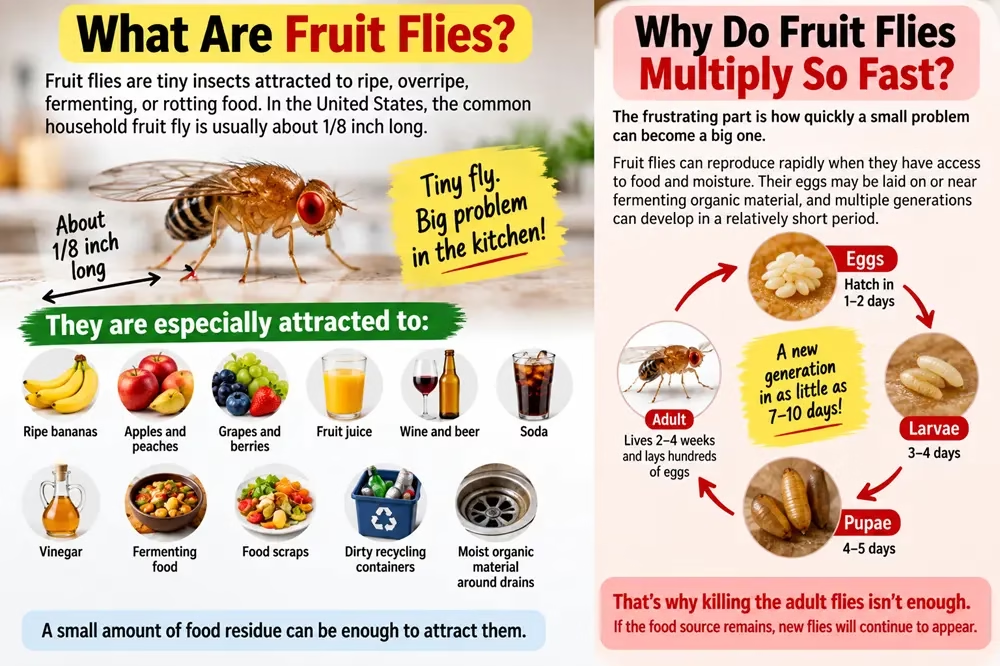
Fruit flies are tiny insects attracted to ripe, overripe, fermenting, or rotting food. In the United States, the common household fruit fly is usually about 1/8 inch long.
They are especially attracted to:
- Ripe bananas
- Apples and peaches
- Grapes and berries
- Fruit juice
- Wine and beer
- Soda
- Vinegar
- Fermenting food
- Food scraps
- Dirty recycling containers
- Moist organic material around drains
A small amount of food residue can be enough to attract them.
Why Do Fruit Flies Multiply So Fast?
The frustrating part is how quickly a small problem can become a big one.
Fruit flies can reproduce rapidly when they have access to food and moisture. Their eggs may be laid on or near fermenting organic material, and multiple generations can develop in a relatively short period.
That’s why killing the adult flies isn’t enough.
If you leave the breeding source behind, new flies can continue appearing.
How to Get Rid of Fruit Flies in Your Kitchen
1. Find the Source First
Before spraying anything, look for what’s attracting the flies.
This is the most important step.
Check your kitchen for:
- Overripe fruit
- Forgotten vegetables
- Food spilled underneath appliances
- Open trash cans
- Food scraps
- Dirty recycling
- Empty wine or beer bottles
- Sticky juice containers
- Compost bins
- Damp sponges or towels
- Residue around the garbage disposal
- Organic buildup around the sink drain
Don’t just look at your countertops.
Fruit flies can breed in surprisingly small amounts of organic material.
A simple test
If you’re unsure where they’re coming from, temporarily remove fruit from the counter and thoroughly clean the surrounding area.
If the activity drops, you’ve likely found part of the problem.
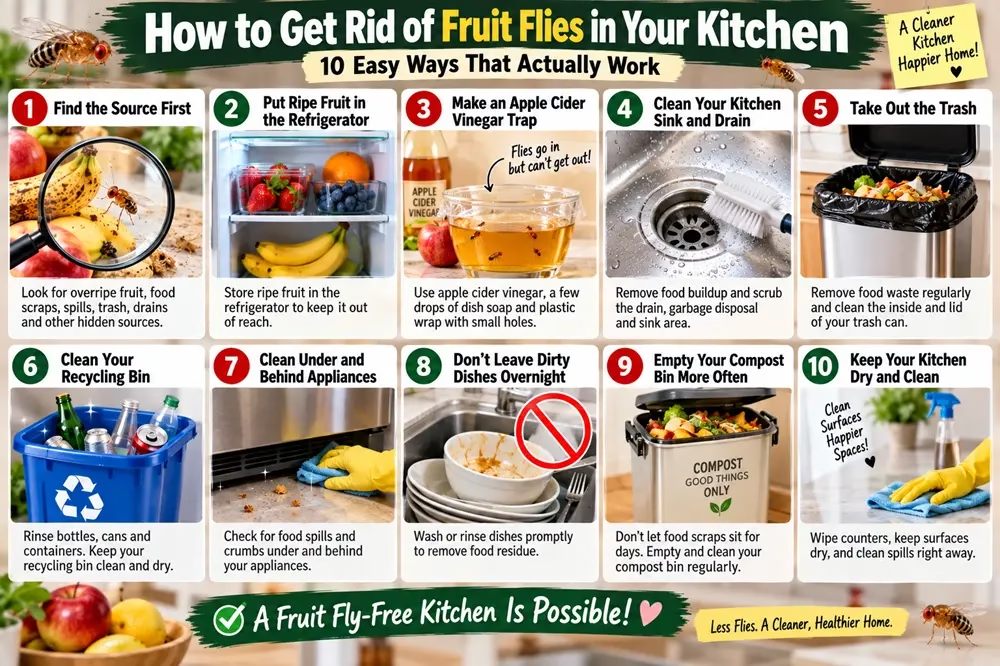
2. Put Ripe Fruit in the Refrigerator
One of the easiest ways to reduce fruit flies is to change how you store produce.
Keep highly ripe fruit in the refrigerator when practical.
Pay particular attention to:
- Bananas
- Peaches
- Plums
- Nectarines
- Melons
- Berries
- Grapes
Don’t leave damaged or overripe fruit sitting in a fruit bowl.
If something is spoiled, throw it away rather than trying to save it.
For produce that doesn’t need refrigeration, use a covered container or keep it away from areas where flies are active.
3. Make an Apple Cider Vinegar Trap
An apple cider vinegar trap is one of the most popular DIY methods for catching adult fruit flies.
Fruit flies are attracted to the smell of fermentation.
What you’ll need
- A small bowl or glass
- Apple cider vinegar
- A few drops of dish soap
- Plastic wrap
- A toothpick or fork
How to make it
- Pour about ½ inch of apple cider vinegar into the container.
- Add a few drops of liquid dish soap.
- Cover the container with plastic wrap.
- Poke several tiny holes in the plastic wrap.
- Place the trap near the area where you see the most flies.
The vinegar attracts the flies.
The dish soap reduces the surface tension of the liquid, making it harder for flies to escape after landing in it.
Do you need plastic wrap?
Not necessarily.
You can also leave a small bowl containing apple cider vinegar and dish soap uncovered.
However, a covered trap with small holes can help concentrate the attraction around the openings.
4. Clean Your Kitchen Sink and Drain
If you’ve removed the obvious food sources but still have fruit flies, don’t ignore the sink.
Organic residue can accumulate around:
- Drain openings
- Garbage disposals
- Drain strainers
- Sink edges
- Pipes and other damp areas
Start with a thorough mechanical cleaning.
Remove visible debris and scrub the drain area with an appropriate cleaner or brush.
What about pouring boiling water down the drain?
People often recommend boiling water as a universal fruit-fly solution.
It isn’t a substitute for cleaning.
If you’re dealing with persistent flies around a drain, physically removing organic buildup is more important than simply flushing the drain.
Also follow the manufacturer’s instructions for your plumbing and garbage disposal.
5. Take Out the Trash
Your kitchen trash can be a perfect food source for fruit flies.
Even if the bag isn’t full, throw it out if it contains:
- Fruit peels
- Food scraps
- Empty juice containers
- Fermenting food
- Wet organic waste
Then clean the inside of the trash can.
Don’t forget the lid.
Sticky residue around the rim can continue attracting flies even after you’ve replaced the bag.
6. Clean Your Recycling Bin
This is one of the most commonly overlooked sources.
An empty wine bottle may still contain enough residue to attract fruit flies.
The same applies to:
- Beer bottles
- Soda cans
- Juice containers
- Food jars
- Wine bottles
- Sweet beverage containers
Rinse recyclable containers when appropriate before placing them in your recycling bin.
If flies are already inside the bin, wash it with hot soapy water and let it dry completely.
7. Clean Under and Behind Appliances
A tiny piece of food can become a major attraction if it gets trapped somewhere warm and hidden.
Check underneath and behind:
- Refrigerators
- Toasters
- Microwaves
- Dishwashers
- Coffee makers
- Stoves
Look for spilled juice, food crumbs, fruit pieces, or sticky residue.
This is especially important if you’ve cleaned your visible kitchen surfaces but the flies keep returning.
8. Don’t Leave Dirty Dishes Overnight
Food residue on dishes can provide another source of attraction.
Try to:
- Wash dishes promptly.
- Rinse plates before leaving them in the sink.
- Clean cups that contained juice or alcohol.
- Rinse food containers.
- Wipe sticky countertops.
You don’t need to sterilize your kitchen every night.
The goal is simply to remove the food and moisture that fruit flies are looking for.
9. Empty Your Compost Bin More Often
If you use a countertop compost container, check it carefully.
Fruit and vegetable scraps can quickly become attractive to fruit flies.
During an infestation:
- Empty the compost more frequently.
- Clean the container.
- Keep the lid closed.
- Use a washable liner if appropriate.
- Don’t leave exposed food scraps on the counter.
If your compost container is the source, traps alone won’t solve the problem.
10. Keep Your Kitchen Dry and Clean
Fruit flies aren’t attracted only to fruit.
They also benefit from moisture and organic residue.
After cleaning, dry:
- Counters
- Sink areas
- Cutting boards
- Sponges
- Dish racks
- Areas around the faucet
Replace or wash damp kitchen towels and sponges regularly.
How Long Does It Take to Get Rid of Fruit Flies?
You may notice fewer adult flies within a day or two after removing their food sources and setting traps.
However, a complete cleanup can take longer because eggs and immature flies may already be present.
If you’re still seeing flies after several days, don’t assume the trap isn’t working.
Instead, look for a missed breeding source.
Common hidden sources include:
- Garbage disposals
- Recycling bins
- Compost containers
- Forgotten produce
- Spilled drinks
- Food under appliances
- Dirty drains
- Leaking containers
What NOT to Do When You Have Fruit Flies
Some common approaches don’t address the actual problem.
Don’t rely only on bug spray
Spraying adult flies may kill some insects, but it doesn’t remove the food source where new flies are developing.
Don’t leave fruit uncovered
A beautiful fruit bowl can become a fruit-fly magnet if the produce is getting overripe.
Don’t ignore the trash
Even a small amount of fermenting food can keep the infestation going.
Don’t assume the sink is clean
A drain can look clean while still containing organic buildup.

Fruit Flies vs. Drain Flies: Are They the Same?
No.
This distinction matters because different flies can appear around a kitchen sink.
Fruit flies are usually tiny and attracted to fermenting food, fruit, beverages, and other organic material.
Drain flies are small, moth-like flies commonly associated with drains and the organic film that can build up inside plumbing.
If the insects look fuzzy or moth-like and are concentrated around drains, you may be dealing with drain flies rather than fruit flies.
That means your cleanup strategy may need to focus much more heavily on drain maintenance.
How to Prevent Fruit Flies From Coming Back
Once you’ve eliminated the infestation, prevention becomes much easier.
Follow this simple kitchen routine:
Store ripe fruit properly.
Refrigerate produce when appropriate and don’t keep spoiled fruit on the counter.
Rinse bottles and cans.
Especially containers that held sweet drinks, beer, wine, or juice.
Empty food waste regularly.
Don’t allow food scraps to sit for days.
Clean spills immediately.
Fruit juice and sugary drinks can attract insects surprisingly quickly.
Keep counters clean.
Pay attention to sticky areas around appliances and food-preparation zones.
Clean your sink regularly.
Remove food debris and keep the area as dry as practical.
Wash reusable containers.
Food residue inside containers can become an unexpected attraction.
The Fastest Approach: A Simple 3-Step Plan
If you want a straightforward plan, start here.
Step 1: Remove the food source
Throw away spoiled produce and food waste.
Clean counters, appliances, trash cans, recycling bins, and other areas where food residue may be hiding.
Step 2: Set a vinegar trap
Add apple cider vinegar and a few drops of dish soap to a small container.
Place it near the area with the most activity.
Step 3: Prevent another breeding cycle
Keep food covered, remove trash regularly, clean drains and garbage disposals, and don’t leave ripe fruit exposed.
The combination is much more effective than simply killing the flies you can see.
When Should You Call a Pest Control Professional?
Most ordinary kitchen fruit-fly problems can be handled with cleaning, source removal, and traps.
Consider professional help if:
- The infestation continues despite thorough cleaning.
- You can’t identify the source.
- Flies are appearing throughout your home.
- You suspect a plumbing or sanitation issue.
- You see other types of pests.
- The problem keeps returning.
A persistent infestation can sometimes indicate a hidden source that isn’t obvious from the kitchen counter.
Frequently Asked Questions
Why do I suddenly have fruit flies in my kitchen?
Fruit flies can appear when ripe or fermenting food becomes available. A small amount of food residue, an overripe piece of fruit, trash, recycling, or organic buildup can be enough to attract them.
What kills fruit flies instantly?
A properly made vinegar-and-dish-soap trap can catch adult fruit flies. Directly killing individual flies is possible, but removing their breeding source is what helps solve the infestation.
Will vinegar alone get rid of fruit flies?
Vinegar can attract fruit flies, but using it as a trap is more useful when combined with a few drops of dish soap.
Can fruit flies come from the drain?
Yes, flies around a sink can sometimes be associated with organic buildup in or around the drain. However, not every small fly near a drain is a fruit fly.
How do I get rid of fruit flies overnight?
Remove exposed food and trash, clean sticky surfaces and potential breeding areas, and set several vinegar traps before going to bed. You may see a significant reduction in adult flies by morning, but completely eliminating the problem can take longer.
Are fruit flies dangerous?
Fruit flies aren’t generally considered dangerous household pests, but they can move between contaminated material and food-preparation areas. Good kitchen hygiene is therefore important.
Bottom Line
Getting rid of fruit flies isn’t really about chasing every tiny fly around your kitchen.
It’s about breaking the cycle.
Remove ripe and spoiled food, clean hidden sources, empty trash and recycling, clean potential drain buildup, and use a simple vinegar trap to catch the adults.
If you do all of these together, a small fruit-fly problem can usually be brought under control without turning your kitchen into a chemical battlefield.
The most important rule? Don’t just kill the flies you see. Find out why they’re there.

Jane Lee is a versatile writer and storyteller with a passion for exploring diverse themes through her work. With a background in literature and creative writing, Jane has authored numerous articles and stories that captivate and inspire readers.
